
Buying a car is one of the most significant financial decisions you will make, but it does not always have to mean driving a brand-new vehicle off the dealership lot. For many savvy buyers, purchasing a used car is the smarter, more economical choice. A used vehicle allows you to bypass the steep depreciation that hits new cars the moment they are driven away, often giving you access to better models or higher trim levels for a fraction of the price.
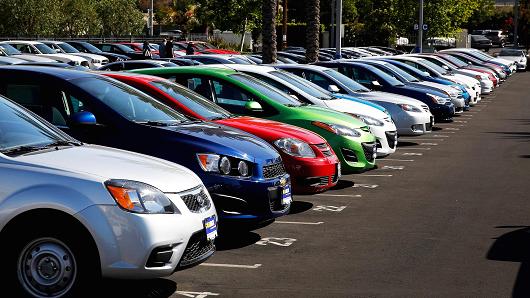
However, the used car market can be a minefield of hidden mechanical issues, misleading advertisements, and high-pressure sales tactics. To ensure you drive away with a reliable ride instead of a costly mistake, you need a strategic approach. Here is an essential guide filled with practical tips to help you navigate the used car buying process with confidence.
1. Establish a Realistic Budget
Before you start browsing online listings, you need to determine exactly how much you can afford to spend. This figure should encompass more than just the initial purchase price of the vehicle.
When calculating your budget, remember to include additional upfront and ongoing costs:
- Sales tax, registration fees, and documentation fees.
- Car insurance premiums, which can vary significantly based on the vehicle model.
- Immediate maintenance costs, such as a fresh set of tires or new brake pads.
- An emergency repair fund for unexpected mechanical issues.
If you plan to finance the purchase, aim to keep your monthly car payment at or below 10% to 15% of your take-home pay.
2. Research the Right Vehicle Models
It is easy to get distracted by a stylish exterior, but reliability and functionality should always come first. Start by listing your daily requirements. Do you need a fuel-efficient commuter car, a spacious SUV for family road trips, or a rugged truck for hauling cargo?
Once you narrow down the category, research specific makes, models, and production years. Websites like Consumer Reports and Edmunds offer excellent reliability ratings and owner reviews. Pay close attention to common complaints or known factory recalls for specific model years, as some vehicles are notoriously more problematic than others.
3. Check the Vehicle History Report
Never buy a used car without reviewing its history report. Services like Carfax or AutoCheck can provide a wealth of information using the vehicle identification number (VIN).
A comprehensive vehicle history report will reveal critical details, including:
- Previous accidents and the extent of the damage.
- Title status (ensuring it is not a salvage or flood-damaged title).
- Number of previous owners.
- Odometer readings to verify the mileage is accurate.
- Service and maintenance records.
If a seller refuses to provide the VIN or hesitates to let you run a history report, consider it a massive red flag and walk away.
4. Conduct a Thorough Visual Inspection
When you find a car that meets your criteria, arrange to inspect it during broad daylight. Inspecting a car in the rain or under dim evening lights can easily hide paint imperfections, dents, and rust.
Walk around the vehicle and look for uneven gaps between body panels, which often indicate poorly executed accident repairs. Check the condition of all four tires; uneven tread wear usually points to alignment or suspension problems. Inside the cabin, test every single button, switch, and electronic feature, including the air conditioning, windows, infotainment system, and heated seats.
5. Master the Test Drive
The test drive is your best opportunity to assess the mechanical health of the vehicle. Plan a route that allows you to drive on local streets as well as the highway so you can experience how the car performs at various speeds.
During the drive, turn off the radio and listen closely for any unusual squeaks, rattles, or grinding noises. Pay attention to how the transmission shifts; gears should change smoothly without hesitation or jerking. Test the brakes at a safe distance to ensure the car stops in a straight line without vibrating or pulling to one side.
6. Get a Pre-Purchase Inspection
Even if you consider yourself car-savvy, nothing replaces the expertise of an independent, professional mechanic. Before finalizing any deal, ask the seller for permission to take the car to a trusted local repair shop for a pre-purchase inspection.
A mechanic will lift the car to inspect the undercarriage for frame damage, fluid leaks, and worn suspension components. They can also plug a diagnostic scanner into the car’s computer to check for hidden error codes. This inspection might cost you a small fee upfront, but it can save you thousands of dollars in future repair bills.
7. Negotiate the Final Price Comfortably
If the mechanic’s report comes back clean, or with minor issues you are willing to fix, you are ready to negotiate. Use your research regarding the market value of the car as your leverage. If the vehicle requires immediate repairs, such as new brakes, use that estimate to negotiate a lower buying price.
Be prepared to walk away if the dealer or private seller refuses to meet a fair price or tries to pressure you into buying unnecessary add-ons, like extended warranties or fabric protection plans.
Conclusion
Buying a used car does not have to be a stressful or risky gamble. By setting a strict budget, doing your homework on specific models, inspecting the vehicle thoroughly, and insisting on a professional mechanic’s opinion, you protect yourself from making a poor investment. Take your time throughout the process, stay patient, and you will eventually find a reliable, high-quality vehicle that fits both your lifestyle and your wallet perfectly.