
Owning a vehicle brings an incredible sense of freedom, but it also comes with the undeniable responsibility of maintenance and repair. At some point, every driver faces the dreaded moment when a dashboard warning light illuminates, or an unfamiliar, worrying sound starts coming from under the hood. For many, this situation sparks immediate anxiety about how much the repair will cost and whether they can trust the mechanic.
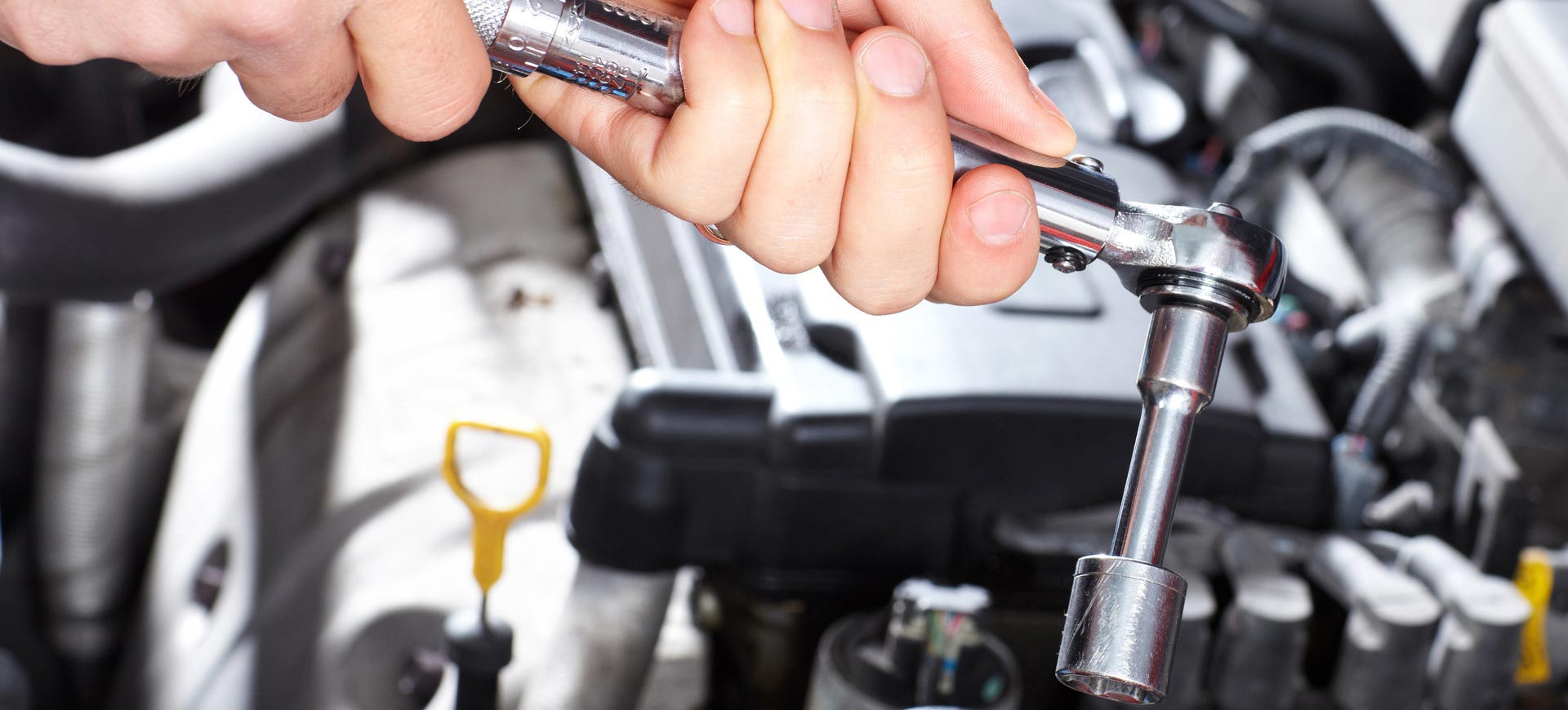
Fortunately, you do not have to be a certified mechanic to keep your vehicle running smoothly and protect your wallet. By understanding a few fundamental principles of vehicle maintenance and learning how to navigate the auto repair industry, you can take complete control of the process. Here are some great tips about auto repair that every driver should know.
1. Trust and Follow Your Owner’s Manual
The absolute best tool for preventing major auto repairs is sitting right inside your glove compartment. Your vehicle’s owner’s manual is a comprehensive guide specifically tailored to your car’s make and model. It contains the exact schedule for necessary preventative maintenance, telling you precisely when to change your engine oil, flush your coolant, replace fluid filters, and swap out spark plugs.
Many drivers make the mistake of relying on generic advice or suggestions from oil-change chains that want you to service your vehicle more frequently than necessary. Following the manufacturer’s manual ensures your car receives optimal care while preventing you from wasting money on premature maintenance.
2. Establish a Relationship with a Mechanic Early
One of the biggest mistakes you can make is looking for an auto repair shop only when your car is broken down on the side of the highway. When you are stranded and stressed, you are highly vulnerable to making a rushed decision, choosing the nearest garage regardless of its reputation, pricing, or quality.
Instead, look for a reputable repair shop while your car is operating perfectly. Ask friends, family members, and neighbors for recommendations. Look for independent shops that employ technicians certified by the National Institute for Automotive Service Excellence (ASE). By bringing your car in for simple maintenance like tire rotations or routine oil changes, you can test their customer service, build a relationship of trust, and know exactly who to call when a real emergency happens.
3. Learn to Describe Symptoms Accurately
When you bring your vehicle to a shop, you do not need to guess what part is broken. In fact, attempting to diagnose the car yourself can sometimes lead to paying for unnecessary repairs. If you walk in and say, “I think I need a new alternator,” an unethical shop might replace that expensive part even if the actual culprit was a cheap, loose battery cable.
Instead, focus entirely on describing the symptoms using your five senses. Tell the mechanic exactly what you hear, smell, see, or feel. Note when the issue occurs: does the steering wheel shake only when you exceed sixty miles per hour? Does the engine make a squealing noise only during cold mornings? Providing these specific details gives the technician a roadmap to find the root cause quickly and accurately.
4. Always Ask for a Detailed Written Estimate
Never authorize a mechanic to start repairing your vehicle based solely on a verbal quote or a brief phone call. Before any tools touch your car, request an itemized, written estimate that breaks down the entire cost of the job.
A professional estimate should clearly separate:
- The cost of individual replacement parts.
- Labor charges, including the hourly rate and estimated duration.
- Shop supplies or hazardous waste disposal fees.
- Government taxes.
Reviewing this document beforehand protects you from surprise charges when it comes time to pick up your keys. If a shop uncovers additional problems during the repair, they must contact you to get explicit approval before performing any extra work.
5. Keep a Detailed Car Maintenance Log
Maintaining a well-organized history of your vehicle’s repairs and maintenance is incredibly valuable. You can use a dedicated notebook in your glovebox or a mobile app to track every oil change, tire replacement, and brake repair, along with the date and mileage.
This log helps technicians diagnose future issues faster because they can easily see what has already been replaced or serviced. Additionally, if your vehicle is ever subject to a manufacturer warranty claim, having clear proof of routine maintenance is essential. Lastly, a complete service record drastically increases the resale value of your car, as buyers are willing to pay a premium for a vehicle that has a documented history of excellent care.
Conclusion
Navigating the world of auto repair does not have to be a stressful or mysterious experience. By studying your owner’s manual, partnering with a trusted ASE-certified mechanic, describing symptoms clearly, and insisting on written estimates, you effectively remove the guesswork from vehicle maintenance. Treat your vehicle with care, stay proactive rather than reactive, and you will ensure that your car remains safe, reliable, and efficient for many miles to come.