
The automotive industry is experiencing an unprecedented evolution. The days when a mechanic could diagnose and fix almost any vehicle problem using a basic set of wrenches, screwdrivers, and physical intuition are rapidly fading. Today, automobiles are highly complex computers on wheels, powered by intricate electronic control networks, advanced software algorithms, and sophisticated electric powertrains.
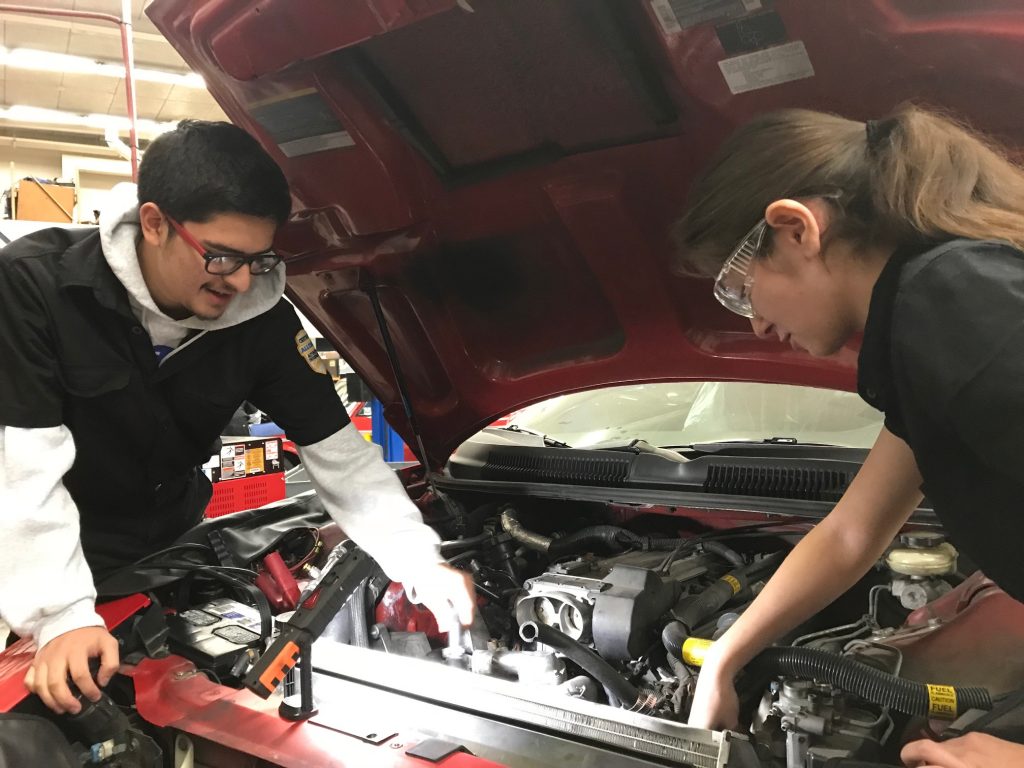
For automotive technicians, engineers, and enthusiasts, this shift means that learning cannot stop at the graduation gate or entry-level training. To remain competitive, relevant, and successful in this modern landscape, continuous skill improvement in automotive technology is an absolute necessity. Whether you want to climb the career ladder at a major dealership, run a successful independent repair shop, or stay ahead of engineering trends, investing in your technical skills is the best strategy. Here is an informative guide on how to effectively elevate your automotive technology skill set.
1. Master Automotive Diagnostics and Electronics
Almost every major system in a modern vehicle, from the braking system to the climate control, is managed by an Electronic Control Unit (ECU). Therefore, a strong foundation in electrical engineering and digital diagnostics is the cornerstone of modern automotive skill improvement.
To advance your skills in this area, focus on learning how to read complex wiring diagrams and circuit schematics accurately. Invest time in mastering advanced diagnostic tools, such as digital oscilloscopes, which allow you to view live electrical signals and spot intermittent glitches that standard code scanners miss. Understanding how data moves across Controller Area Network (CAN bus) systems will transform you from a basic parts-changer into a highly capable diagnostic specialist.
2. Embrace Electric and Hybrid Vehicle Systems
The global automotive market is shifting rapidly toward sustainability, with electric vehicles (EVs) and hybrid electric vehicles (HEVs) capturing a massive share of consumer interest. Transitioning from internal combustion engines to electric powertrains requires a completely new set of technical competencies.
Improving your skills in EV technology involves understanding high-voltage safety protocols, battery management systems (BMS), thermal management loops, and regenerative braking dynamics. Working on high-voltage systems requires extreme caution and specialized protective gear, making formal training critical. Technicians who obtain certifications in hybrid and electric vehicle repair today will find themselves in incredibly high demand as these vehicles continue to age and require specialized servicing.
3. Understand Advanced Driver Assistance Systems (ADAS)
Modern vehicles are equipped with a variety of safety features designed to prevent accidents, such as lane-keeping assist, adaptive cruise control, blind-spot monitoring, and automatic emergency braking. These systems rely on an array of sensors, including radar units, lidar, and forward-facing cameras mounted behind the windshield.
Whenever a vehicle undergoes a basic wheel alignment, a windshield replacement, or body repair after a minor collision, these safety sensors must be precisely recalibrated. Learning how to perform static and dynamic ADAS calibrations using specialized targeting equipment is a rapidly growing and highly lucrative skill set in the automotive repair sector.
4. Invest in Continuous Certification and Specialized Training
Self-study is highly valuable, but official industry certifications provide tangible proof of your advanced capabilities to employers and clients. For those working in the service industry, pursuing advanced certifications from recognized institutions like the National Institute for Automotive Service Excellence (ASE) is a great step forward.
Aim for advanced level credentials, such as the ASE L1 (Advanced Engine Performance Specialist), L3 (Light Duty Hybrid/Electric Vehicle Specialist), or L4 (Advanced Driver Assistance Systems Specialist). Furthermore, many tool manufacturers and automotive parts suppliers offer specialized evening classes or online modules that cover specific, cutting-edge technologies.
5. Develop Strong Computer and Software Literacy
Because modern vehicles rely so heavily on software, a basic level of computer literacy is no longer sufficient. Automotive technology professionals must understand how to navigate complex repair databases, use cloud-based factory software to flash or reprogram ECUs, and interpret data logs. Familiarizing yourself with vehicle software updates, cybersecurity protocols, and telematics will ensure you can confidently service connected vehicles that communicate directly with the cloud.
Conclusion
Improving your skills in automotive technology requires a commitment to lifelong learning, adaptability, and a willingness to step outside your comfort zone. The rapid integration of software, electricity, and advanced safety sensors has fundamentally changed what it means to work on a car. By focusing on electronics, embracing the electric vehicle revolution, mastering ADAS calibration, and consistently pursuing formal certifications, you position yourself at the absolute forefront of the industry. The future of mobility belongs to those who understand both the mechanical and digital heart of the machine.