
The modern automobile is a marvel of engineering, a complex symphony of mechanical parts, electronic sensors, and sophisticated software. For many vehicle owners, the moment a dashboard warning light flickers on, it triggers a wave of anxiety and a vision of an expensive repair bill. However, auto repair does not have to be a mystery. With the right knowledge and a proactive mindset, you can save thousands of dollars, extend the life of your vehicle, and ensure the safety of everyone on board.
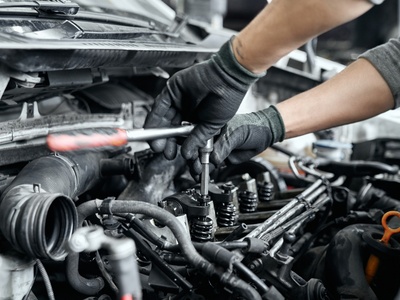
Whether you are a DIY enthusiast looking to get your hands greasy or a car owner who simply wants to communicate more effectively with a professional mechanic, understanding the fundamentals of auto repair is essential. This guide provides actionable tips to help you navigate the world of vehicle maintenance with confidence.
The Power of Preventative Maintenance
The single most effective “repair” is the one you never have to make. Preventative maintenance is the bedrock of vehicle longevity. Many major mechanical failures are the direct result of neglecting simple, inexpensive tasks.
The Essential Fluid Check
Your car relies on various fluids to lubricate, cool, and transfer power. Neglecting these is the fastest way to a catastrophic engine or transmission failure.
- Engine Oil: This is the lifeblood of your engine. Check it monthly. Modern synthetic oils can last longer, but you should still follow the manufacturer’s intervals strictly.
- Coolant: An overheating engine can warp cylinder heads in minutes. Ensure your coolant levels are adequate and look for any signs of milky discoloration, which could indicate a serious internal leak.
- Brake Fluid: Because brake fluid is hygroscopic (it absorbs moisture from the air), it can degrade over time, leading to a “spongy” pedal feel or rusted brake lines.
Air Filters and Spark Plugs
A clogged air filter forces your engine to work harder, decreasing fuel efficiency and increasing wear. Similarly, worn spark plugs can cause misfires and poor acceleration. Replacing these components is generally inexpensive and can be done with basic tools in under thirty minutes.
Identifying Problems Before They Escalate
Learning to “listen” to your car is a vital skill. Vehicles rarely fail without warning; they usually provide auditory, tactile, or visual cues that something is amiss.
Unusual Sounds
- Squealing or Chirping: Often indicates a worn serpentine belt or a failing pulley.
- Grinding during braking: This is a clear sign that your brake pads are worn down to the metal, and you are currently damaging your rotors.
- Clunking over bumps: This usually points to suspension issues, such as worn struts, bushings, or ball joints.
Vibrations and Handling
If your steering wheel shakes at high speeds, your tires might be out of balance or your wheels misaligned. If the car pulls to one side, it could indicate a sticking brake caliper or a suspension component that has reached the end of its lifespan. Ignoring these symptoms doesn’t just make for an uncomfortable ride; it creates a safety hazard.
Smart Strategies For Working With Professional Mechanics
Not everyone has the time or tools to perform their own repairs. When you do need to visit a shop, being an informed consumer is your best defense against overpaying.
Find a Specialist
While general repair shops are great for oil changes and tires, complex electrical or transmission issues are often better handled by specialists who focus on your specific vehicle make. They possess the proprietary diagnostic tools and specific experience required to pinpoint elusive problems quickly.
Ask for the “Old Parts”
A reputable mechanic should have no problem showing you the components they replaced. Seeing a worn-out belt or a cracked hose provides tangible proof of the work performed and helps you learn what a failing part looks like.
Get a Written Estimate
Never authorize work over the phone without a clear understanding of the costs. A professional estimate should break down the cost of parts and the number of labor hours required. If the shop discovers additional issues while working, ask them to prioritize the repairs based on safety versus convenience.
Essential Tools For The Home Garage
If you intend to perform basic auto repairs, you don’t need a professional-grade hydraulic lift, but a few high-quality tools are non-negotiable.
- A High-Quality Socket Set: Look for a set that includes both metric and standard sizes, as many modern cars use a mix of both.
- A Digital Multimeter: This is indispensable for diagnosing battery, alternator, and electrical sensor issues.
- Torque Wrench: Many people skip this, but over-tightening bolts can be just as dangerous as leaving them loose. Using a torque wrench ensures every bolt is tightened to the manufacturer’s exact specifications.
- OBD-II Scanner: For a small investment, an On-Board Diagnostics scanner allows you to read the “Check Engine” codes yourself. This gives you a massive advantage when talking to a mechanic, as you already know the general area of the fault.
Conclusion
Auto repair is as much about philosophy as it is about mechanics. It requires patience, a willingness to learn, and a commitment to consistency. By staying ahead of maintenance schedules, paying attention to the small warning signs your vehicle gives you, and building a relationship with a trusted technician, you can transform vehicle ownership from a burden into a source of pride. Your car is one of your most significant investments—treat it with the care it deserves, and it will provide you with many years of reliable service.
Would you like me to write a detailed guide on how to perform a specific basic repair, such as changing your own brake pads or flushing a radiator?