
The automotive industry is currently navigating one of the most transformative eras in its history. With the rise of electric vehicles, the shift toward online purchasing, and the increasing importance of sustainable practices, the traditional “hard sell” tactics of the past are becoming obsolete. To succeed in today’s market, dealerships and automotive entrepreneurs must pivot from a transaction-centered mindset to a relationship-centered one.
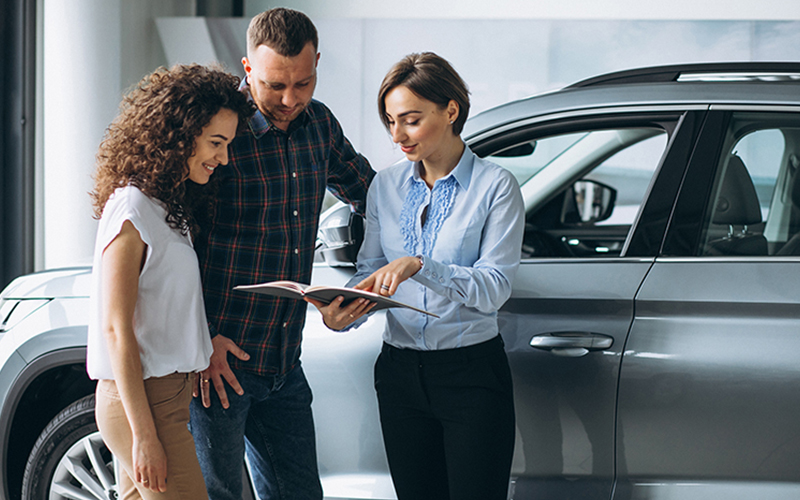
Increasing automobile sales is no longer just about moving inventory off the lot; it is about building a brand ecosystem that attracts, converts, and retains customers for life. This guide explores professional strategies to boost sales performance while fostering deep-rooted customer loyalty.
Leveraging Digital Transformation for Lead Generation
In the modern car-buying journey, the physical showroom is often the final stop, not the first. Statistics show that the majority of consumers spend weeks researching online before ever speaking to a salesperson. Therefore, your digital presence is your most powerful sales tool.
High-Fidelity Virtual Showrooms
Static images are no longer enough to capture attention. To increase engagement, dealerships should implement 360-degree interior and exterior tours. High-definition video walkarounds that highlight specific tech features or cargo versatility allow potential buyers to build an emotional connection with the vehicle from their living room.
Search Engine Optimization (SEO) and Local Search
When a user searches for “reliable SUVs near me,” your business must appear at the top. Developing a content strategy that answers common buyer questions—such as “Comparison of Hybrid vs. Gas SUVs” or “Best Financing Rates in [City]”—positions you as an authority. This educational approach builds trust before a transaction even begins.
The Art of Consultative Selling
The “pushy” salesman trope is the greatest barrier to closing deals. To increase sales, teams must be trained in consultative selling, which focuses on identifying the customer’s pain points and offering a tailored solution.
Active Listening and Needs Discovery
Instead of immediately pitching a specific model, a professional consultant asks open-ended questions. “What does your typical daily commute look like?” or “What was missing from your last vehicle?” By understanding the customer’s lifestyle, the salesperson can recommend a car that truly fits, reducing “buyer’s remorse” and increasing the likelihood of a referral.
Transparency in Pricing
Nothing kills a deal faster than hidden fees revealed at the last minute. Dealerships that adopt “upfront pricing” or “no-haggle” models often see higher volume. Transparency creates a relaxed environment where the customer feels respected rather than exploited, making them more likely to finalize the purchase.
Developing the Customer: Post-Sale Relationship Management
A sale is not the end of a relationship; it is the beginning of a multi-year partnership. Customer development is the process of turning a one-time buyer into a brand advocate who returns for their next three vehicles.
The 48-Hour Follow-Up
Within two days of the delivery, a personalized call or message should be sent. This isn’t a sales pitch; it is a check-in to ensure the customer understands how to use the infotainment system or has adjusted their seat correctly. This small gesture of care sets the stage for a positive long-term perception.
Integrated Service and Maintenance Loyalty
The service department is the engine of customer retention. By offering the first oil change for free or providing a seamless mobile app for service scheduling, you keep the customer coming back to your facility. Every service visit is an opportunity to reinforce the relationship and eventually discuss an upgrade when the time is right.
Utilizing Data Analytics for Retention
To develop customers effectively, you must understand their behavior. Modern Customer Relationship Management (CRM) systems allow you to track the lifecycle of every car sold.
Predictive Trade-In Alerts
By analyzing the age of the vehicle and the customer’s previous purchasing patterns, you can predict when they might be ready for a new model. Reaching out with a personalized “Equity Alert”—showing the customer that their current car has a high trade-in value toward a newer, safer model—can trigger a sale that the customer hadn’t even considered yet.
Personalized Marketing
General “broadcast” emails are often ignored. However, a targeted email about a specific accessory for the model they own, or a birthday greeting with a discount on a detail service, makes the customer feel seen. Personalization is the key to staying “top of mind” in a competitive market.
Community Engagement and Brand Advocacy
Finally, to develop a robust customer base, you must exist outside the walls of the dealership. Being an active participant in the community builds a “human” brand.
- Local Sponsorships: Supporting youth sports or local charity events associates your brand with positive community values.
- Educational Workshops: Hosting “Car Maintenance 101” nights for new drivers or “EV Charging Basics” for the neighborhood positions your business as a helpful resource rather than just a retail outlet.
- Referral Programs: Incentivize your best customers to become your sales force. A robust referral program that rewards existing owners for bringing in friends and family creates a self-sustaining cycle of new business.
Conclusion
Increasing automobile sales and developing a loyal customer base is a marathon, not a sprint. It requires a sophisticated blend of digital marketing, ethical sales practices, and a relentless focus on the post-purchase experience. In an industry where choices are infinite, consumers will always gravitate toward the businesses that offer the most transparency, convenience, and genuine care. By treating every sale as the start of a long-term relationship, you ensure the longevity and profitability of your automotive business in any market condition.
Would you like me to create a specific 12-month customer follow-up schedule that your sales team can use to maintain engagement?